
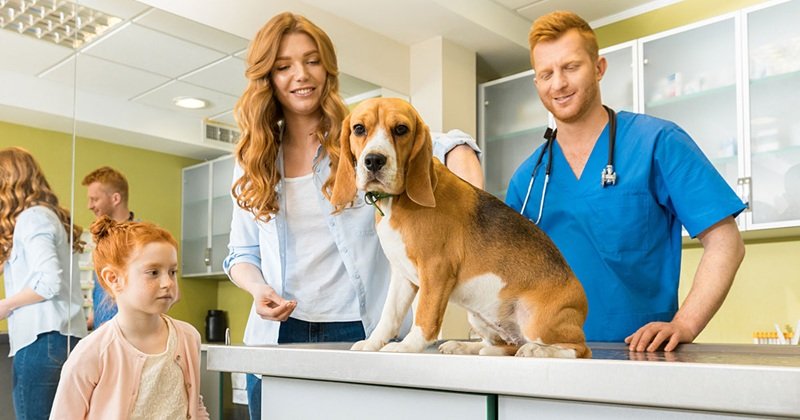
Visiting the veterinarian in Newmarket, ON for the first time can feel overwhelming. But, you are taking a big, kind step for your pet’s health. During this important appointment, the clinic will gather your pet’s information and perform a basic check-up. Expect to answer questions about your pet’s diet, habits, and any health concerns. This ensures they receive the best care. The vet will examine your pet’s body, eyes, ears, and mouth, looking for any signs of issues. If needed, the vet may suggest vaccines or specific tests to keep your pet healthy. Ask questions and share any worries. This visit sets the stage for a trusting relationship with your vet. Remember, regular check-ups are key to a long, happy life for your pet. You are showing love and responsibility with this visit.
Initial Paperwork and Questions
When you arrive, expect to fill out forms about your pet. This includes their medical history, vaccination records, and any current medications. Providing accurate information helps the vet understand your pet’s background. It forms a complete picture of their health. Honest responses can prevent future health issues. Keep any previous veterinary records handy for a smoother process.
Physical Examination
Next, the vet will conduct a thorough physical exam. They will check your pet’s weight, temperature, and heart rate. The vet will also look at your pet’s coat for any skin conditions. They will inspect the eyes and ears for signs of infection. A dental check is crucial to catch any dental problems early. Regular dental care can prevent more serious issues later.
Vaccines and Preventative Care
Vaccinations are a key part of your pet’s health plan. Depending on your pet’s history and lifestyle, the vet may recommend certain vaccines. Common ones include rabies, distemper, and parvovirus for dogs or feline leukemia for cats. The American Veterinary Medical Association provides detailed vaccination schedules. Preventative care like flea and tick prevention is also discussed. This helps protect your pet against parasites.
Discussion and Questions
During the visit, feel open to ask questions. You might have concerns about feeding, behavior, or exercise. Good communication with your vet creates a partnership focused on your pet’s well-being. The vet is there to guide you and provide reassurance. If you are unsure about anything, ask for clarification. This is a valuable opportunity to learn about proper pet care.
Follow-Up Appointments
Routine follow-ups are vital. The first visit may uncover health issues needing a follow-up. Regular check-ups help track your pet’s health and detect problems early. The vet will advise on the right schedule for your pet’s needs. Consistent visits also make your pet more comfortable with the vet over time.
Comparison of Vaccines
| Vaccine | Required For | Common Side Effects |
|---|---|---|
| Rabies | Dogs and Cats | Mild fever, soreness at injection site |
| Distemper | Dogs | Decreased appetite, mild lethargy |
| Feline Leukemia | Cats | Swelling at injection site, allergic reaction |
Building a Positive Experience
To ensure a positive visit, keep your pet calm before the appointment. Bring their favorite toy or blanket for comfort. Speak in soothing tones. Treats can reward good behavior. If your pet shows fear, reassure them gently. Over time, regular visits will make them more at ease. Positive reinforcement encourages cooperation.
Conclusion
Your pet’s first veterinary visit is a crucial step in their health journey. Understanding what to expect can ease your worries. You are taking proactive steps in safeguarding their future. A strong relationship with your veterinarian ensures your pet receives the best care. Keep communication open, and never hesitate to seek guidance.